
01
What a farm camp is
A camp program — usually for kids, teens, or families — held on a working farm or agricultural property where participants learn through hands-on experience.
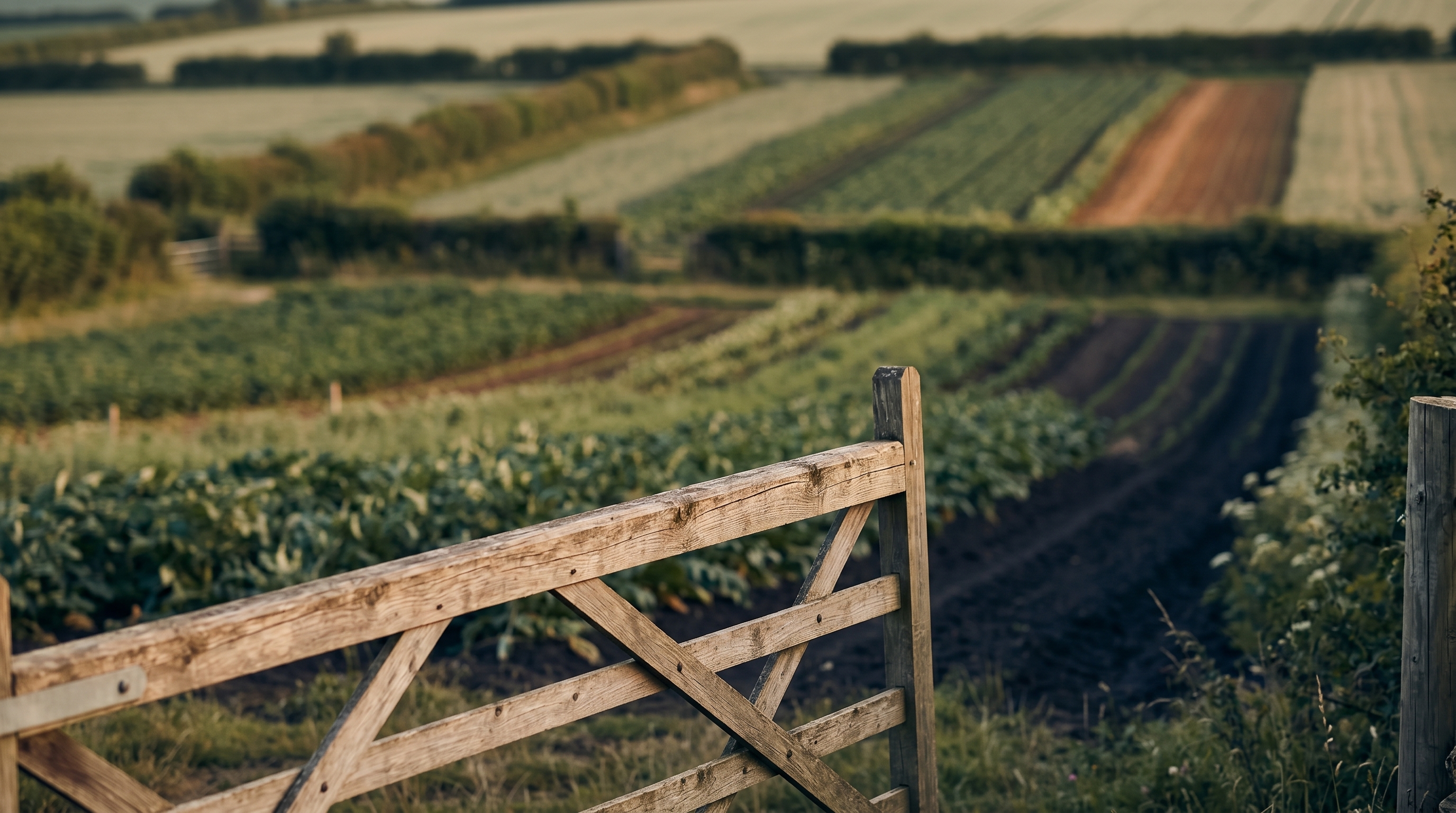 Farm-camp scene
Working farms · hands-on programs · a future trade association
FarmCamps.org tracks the farm-camp trend: programs held on working farms where kids, teens, and families learn about farming, animals, and food production through hands-on experience. It's a field gathering shape — and a potential future trade association.
The frames
A farm camp is more than a summer program. It is a working farm choosing to teach, a family choosing to learn outside, and an industry beginning to organize itself.
A camp program — usually for kids, teens, or families — held on a working farm or agricultural property where participants learn through hands-on experience.
Hands-on engagement with farming, animals, and food production. The farm itself is the curriculum; the season is the lesson plan.
Working farmers, ranchers, and agricultural educators who open part of their operation to camp programming alongside their primary livelihood.
A potential future trade association. FarmCamps.org tracks the operators, formats, and standards that could one day stand up the field together.
A farm camp is the place a child first learns where food comes from — and where a farmer first finds the language to invite the rest of us in.
FarmCamps · field notes
Operators we map against
In practice
Farm camps don't all look the same. Most operators settle on a primary format and build the season around it.
On the farm
Farm camps don't all look the same. Most operators settle on a primary format and build the season around it.
Single-day or week-long programs for elementary-age kids — animal care, planting, harvesting, simple cooking. The most common entry-point format.
Multi-day teen programs with deeper farm-skill exposure — livestock, equipment basics, soil and pasture rotation, food-system literacy.
Whole-family stays where parents and kids work the farm together — meals from the farm, evening barn chores, a softer learning curve.
Single-visit programs designed for school groups — a structured tour, a hands-on station, and a meal that closes the food-system loop.
Skills weekends for adults — homesteading, animal husbandry, market gardening — and trainings for teachers who carry the lessons home.
Field coverage
FarmCamps.org sits at the network layer. It exists to help operators see one another, share format and standards, and explore whether a future trade association is the right next step.
An actual agricultural property — produce, livestock, dairy, orchard, ranch — with a primary working livelihood beyond camp programming.
The format chosen by the operator: day camp, immersion week, family stay, school visit, or adult workshop. Built around the farm's real season.
Farmers and educators on one side; kids, teens, parents, and teachers on the other. The relationship that makes the program possible.
Other operators, associations, extension services, and — potentially — a shared trade group. The layer FarmCamps.org is here to map.
Field process
Pick the format that fits your farm — day camp, teen immersion, family stay, school visit, or adult workshop. Start with one shape, not five.
Lay the program against the actual farm calendar. Plant in spring, harvest in late summer, finish before the heaviest farm work returns in the fall.
Insurance, waivers, ratios, restrooms, food handling, transportation, and basic safety — the operating layer most new programs underestimate.
Run a small first season on purpose. Learn how the farm reacts to visitors, how families react to the farm, and where the program needs to bend.
After the season: write the lessons down, talk to other operators, and share what worked. The field gets stronger when programs publish their notes.
Wider network
The parent network for farm and feed verticals — the place to track where the farm-camp field connects to the broader retailing ecosystem.
VisitEditorial coverage of the retail and farm-channel surface that camp operators ultimately sell into when their farm goods leave the gate.
VisitWhere future sister sites covering farm associations, education programs, and ag operators will be linked as the network grows.
VisitA placeholder slot for an emerging association partner — the kind of group a future FarmCamps trade association would naturally interlock with.
VisitJoin the field
Send a short note about your farm, the program shape you run (or want to run), and where you are in the country. We're collecting operator notes as the field organizes.
Email the FarmCamps team